
In today’s cybersecurity landscape, identity has become the new frontline of defense. Hackers no longer need to “break into” a system to cause damage. Instead, they can log in to steal valuable data, gain unauthorized access, and wreak havoc on your organization. Identity theft is more than just a stolen password — it’s a gatekeeper for cybercriminals to gain access to your systems and sensitive information.
Here’s how attackers are abusing and stealing identities.
Adversary-in-the-Middle (AiTM): Hijacking MFA-Protected Logins
Even multi-factor authentication (MFA) isn’t foolproof. In Adversary-in-the-Middle (AiTM) attacks, hackers bypass MFA by intercepting communications between the user and the authentication service. This allows them to steal authentication tokens and take control of the login session, making MFA ineffective in protecting your organization.
Shadow Workflows: Hidden Email Rules That Secretly Forward Data
Cybercriminals can set up hidden email rules that automatically forward sensitive information (such as customer data or financial details) to an external address. These hidden workflows can easily fly under the radar, allowing attackers to quietly exfiltrate data without triggering alarms.
Rogue Apps: Malicious Integrations Granting Silent Access
Hackers often exploit rogue apps or malicious integrations that bypass traditional security measures. These apps can grant attackers silent access to sensitive resources, making it difficult for security teams to detect and block the intruders without disrupting legitimate business operations.
Session Hijacking: Stolen Session Tokens = Stolen Identities
Session hijacking is another technique where attackers steal session tokens — the pieces of data that maintain active sessions for users — and use them to take over active sessions. This allows hackers to impersonate legitimate users and gain full access to their accounts without needing to re-enter credentials.
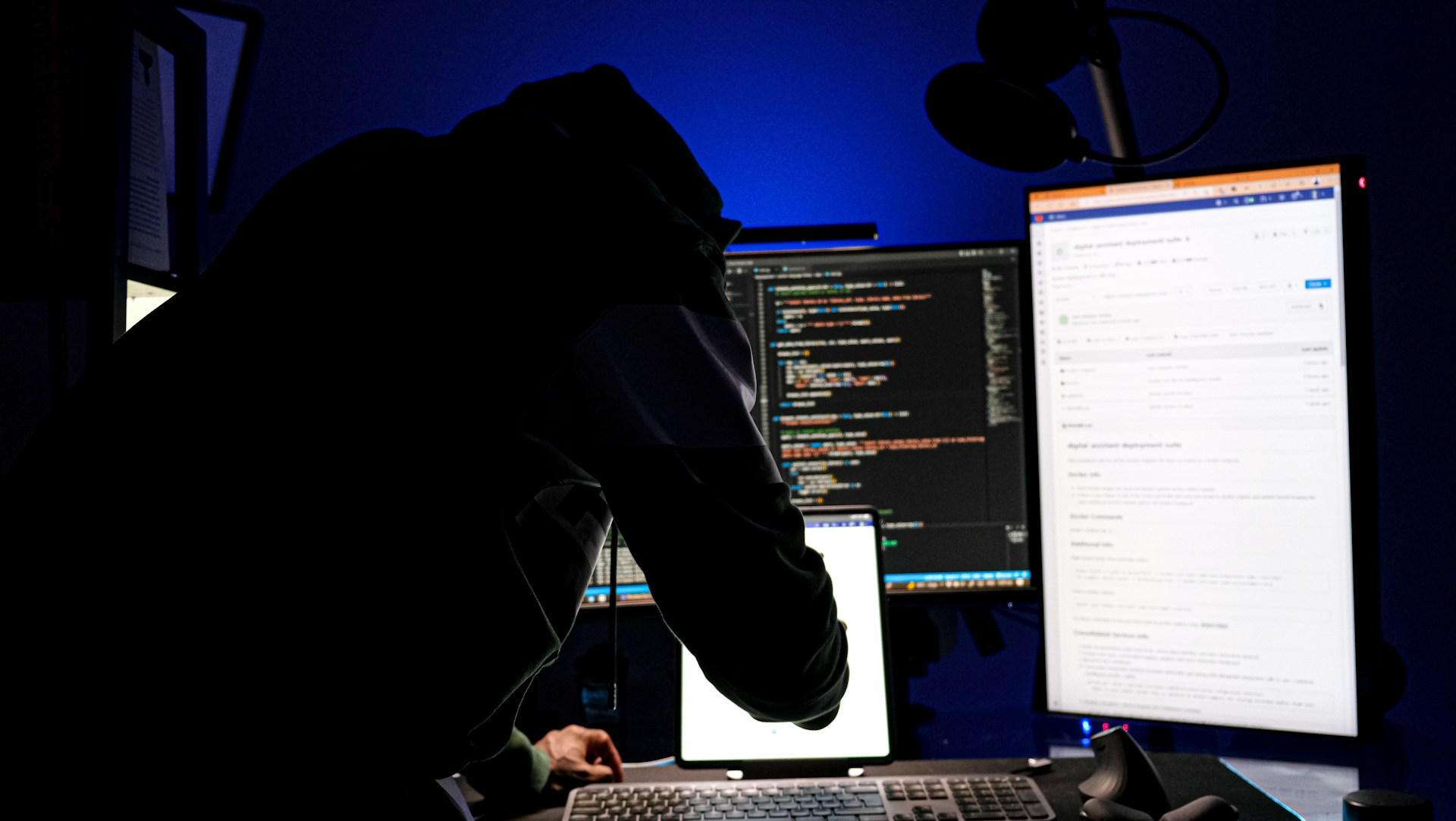
Your People Are Now the Frontline of Cyber Defense
In this new age of cyber threats, your employees are no longer just users of technology; they are the frontline of your defense against identity theft. It’s critical that your team members understand these threats and know how to identify and prevent them. Proper training, robust security measures, and multi-layered defenses are essential to protecting your organization from identity-based attacks.
Conclusion: Protecting Identities Should Be a Top Priority
Identity theft isn’t just a matter of stolen credentials. It’s a gateway for hackers to infiltrate your organization, access sensitive data, and cause significant damage. By securing identity systems, implementing strong multi-factor authentication, and educating your employees on the latest tactics used by cybercriminals, you can fortify your defenses against these emerging threats.
If you want to better protect your business from identity theft and cyberattacks, contact Stephanie Gill-Gale today for comprehensive identity protection strategies and security solutions tailored to your needs.